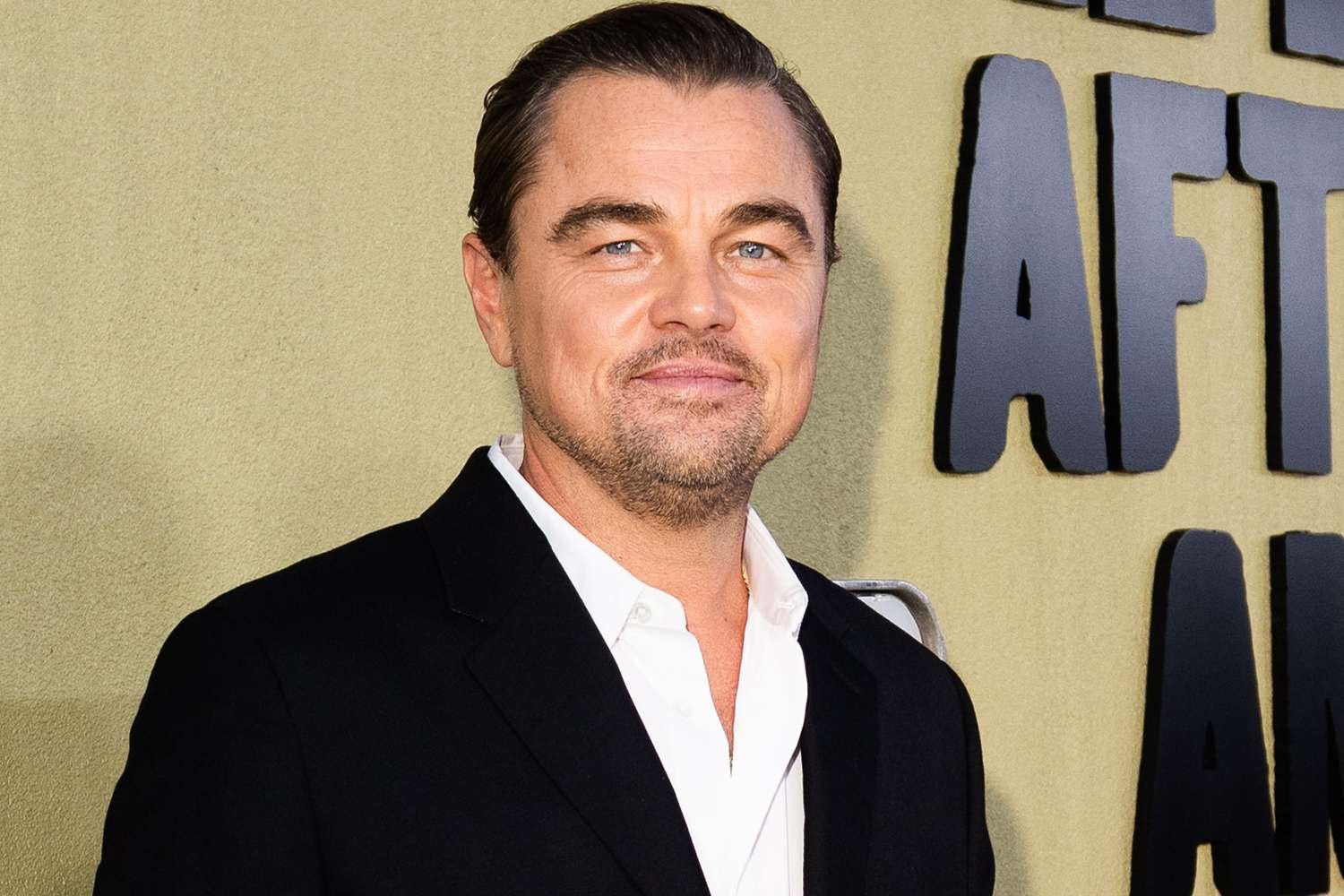
Few names in Hollywood evoke as much admiration, respect, and fascination as Leonardo DiCaprio. From his early days as a fresh-faced teen actor to becoming one of the most celebrated figures in film history, DiCaprio’s journey is a blend of extraordinary talent, relentless dedication, and genuine passion for storytelling. Yet, his influence extends far beyond the silver screen—he has become a global advocate for environmental change, using his fame to shine a spotlight on the planet’s most urgent issues.
The Early Days: A Star in the Making
Born on November 11, 1974, in Los Angeles, Leonardo Wilhelm DiCaprio showed artistic promise from an early age. Raised by a single mother in a modest environment, his upbringing was far from the glitz of Hollywood. But young Leonardo’s fascination with acting began early—his natural charisma and expressive range soon landed him roles in commercials and television series like Growing Pains.
His breakthrough came in 1993 when he played a mentally challenged teenager in What’s Eating Gilbert Grape. The role earned him his first Academy Award nomination for Best Supporting Actor, marking him as a rare talent with depth and emotional authenticity. From that point, the world knew this wasn’t just another teen actor—Leonardo DiCaprio was destined for greatness.
Titanic: The Role That Changed Everything
In 1997, Titanic set sail—and with it, Leonardo DiCaprio became a global sensation. His portrayal of the charming, free-spirited Jack Dawson not only broke hearts but also redefined movie stardom. The film became a cultural phenomenon, grossing over $2 billion worldwide and catapulting DiCaprio into an era of superstardom few have ever experienced.
Despite the media frenzy surrounding his looks and newfound fame, DiCaprio chose a path of substance over celebrity. Instead of cashing in on his teen idol status, he deliberately sought out challenging, complex roles that showcased his range. This decision proved crucial in shaping his legacy as one of Hollywood’s most respected actors.
The Scorsese Era: A Partnership of Genius
In the early 2000s, DiCaprio found a creative partner who would help redefine his career—legendary director Martin Scorsese. Their collaborations began with Gangs of New York (2002) and went on to produce a series of critically acclaimed masterpieces, including The Aviator (2004), The Departed (2006), Shutter Island (2010), The Wolf of Wall Street (2013), and Killers of the Flower Moon (2023).
Through these films, DiCaprio proved his ability to fully inhabit vastly different characters—from a tormented billionaire in The Aviator to the morally ambiguous stockbroker Jordan Belfort in The Wolf of Wall Street. His performances under Scorsese’s direction not only earned him multiple Oscar nominations but also cemented his reputation as one of the most versatile and daring actors of his generation.
The Long-Awaited Oscar Win
For years, fans and critics alike were baffled by the fact that Leonardo DiCaprio had not won an Academy Award despite his string of iconic performances. Memes circulated, jokes were made, and yet DiCaprio remained gracefully humble, focused solely on the work.
Then came The Revenant (2015). His portrayal of frontiersman Hugh Glass—an unrelenting survivalist fighting against the elements and betrayal—was a triumph of endurance and artistry. The performance finally earned him the Oscar for Best Actor in 2016, a moment that felt as satisfying for audiences as it did for DiCaprio himself.
It wasn’t just about the trophy; it was recognition of a career defined by dedication, discipline, and artistic integrity.
Beyond Acting: Leonardo DiCaprio the Environmentalist
While his cinematic achievements are remarkable, Leonardo DiCaprio’s impact as an environmental activist may be even greater. Long before climate activism became mainstream, DiCaprio was championing the cause of sustainability and environmental protection.
In 1998, he established the Leonardo DiCaprio Foundation, which has funded over 200 projects focused on climate change, wildlife conservation, and ocean preservation. His foundation has contributed more than $100 million to global initiatives, supporting organizations working to protect endangered species and promote renewable energy.
He also serves as a United Nations Messenger of Peace, using his platform to urge world leaders to take action on climate change. His 2016 documentary Before the Flood provided an unflinching look at the global environmental crisis, offering both alarming truths and hopeful solutions.
For DiCaprio, activism isn’t a side project—it’s a calling. He has seamlessly balanced his acting career with advocacy, proving that Hollywood influence can be used for meaningful change.
The Man Behind the Camera
While many fans know Leonardo DiCaprio for his on-screen brilliance, his work as a producer is equally impressive. Through his production company Appian Way, DiCaprio has backed numerous projects that challenge conventions and explore complex themes.
Films like The Aviator, The Wolf of Wall Street, and Don’t Look Up not only highlight his knack for choosing thought-provoking stories but also reflect his interest in films with social, political, and environmental resonance. He continues to use his influence to support directors and stories that might otherwise struggle to find a voice in commercial cinema.
Personal Life and Legacy
Unlike many of his contemporaries, Leonardo DiCaprio has maintained a sense of mystery about his personal life. He avoids excessive media attention and rarely discusses his relationships publicly. This deliberate privacy has helped him maintain a level of dignity and focus uncommon in the entertainment industry.
At the same time, DiCaprio’s personal lifestyle mirrors his environmental values. He drives electric cars, invests in eco-friendly startups, and supports sustainable fashion initiatives. His dedication to environmental causes is not a marketing gimmick—it’s deeply rooted in his philosophy of responsibility toward the Earth.
Recent Projects and the Future
In recent years, DiCaprio has continued to evolve as both an artist and an advocate. His performance in Once Upon a Time in Hollywood (2019) showcased a nostalgic yet powerful portrayal of a fading actor, earning him yet another Oscar nomination.
He reunited with Scorsese for Killers of the Flower Moon (2023), a historical epic exploring greed, justice, and tragedy in 1920s America. The film was widely acclaimed for its storytelling and depth, reinforcing DiCaprio’s status as a master of his craft.
Looking ahead, he is set to star in upcoming films that promise to challenge audiences yet again, including another collaboration with Scorsese and a Paul Thomas Anderson project. As always, DiCaprio’s choices reflect his belief that cinema should inspire, educate, and provoke thought.
The Enduring Influence of Leonardo DiCaprio
Leonardo DiCaprio legacy goes far beyond box office numbers or awards. He represents the rare intersection of art and activism—a man who uses his voice not just to entertain but to enlighten. His story is one of reinvention and purpose, showing that fame can be more than self-serving—it can be a tool for global change.
From Titanic to The Revenant, from red carpets to UN podiums, Leonardo DiCaprio continues to inspire millions worldwide. He has shown us that passion, persistence, and purpose can coexist, and that one person truly can make a difference.
At Cnn10, we celebrate icons who redefine greatness—and Leonardo DiCaprio stands as a timeless example of how talent and compassion can shape not just a career, but the world.