John Travolta is one of those rare Hollywood figures whose presence transcends generations. From his disco strut in Saturday Night Fever to his smooth-talking hitman role in Pulp Fiction, Travolta has remained a pop culture constant for nearly five decades. Yet, beyond his movie career, another aspect of his fame continues to spark conversations — John Travolta commercials. Whether he’s dancing as Santa for Capital One, parodying Grease for T-Mobile, or sharing the screen with his daughter in a Scotts Miracle-Gro ad, Travolta’s commercials have become mini-events in themselves.
These ads aren’t just brand promotions — they’re nostalgia-fueled performances that bridge the past and the present. Let’s take a closer look at why John Travolta commercials have become cultural touchstones, how they reflect his career, and why audiences still can’t look away.
The Early Days: Before the Stardom
Long before John Travolta became a household name, he paid his dues like many aspiring actors — by appearing in commercials. In the early 1970s, a fresh-faced Travolta could be seen in ads for products like Haggar Slacks and Safeguard Deodorant Soap.
In those brief, upbeat spots, his charisma was already unmistakable. Even in a 30-second soap commercial, Travolta’s charm and energy stood out. The camera loved him, and viewers connected instantly — a sign of the star power to come. These early John Travolta commercials showed the beginnings of a performer who could make even mundane products feel cool.
At that time, commercials were often a stepping stone for young actors, but for Travolta, they foreshadowed his natural ability to connect with audiences in any format.
The Commercial Comeback: When a Movie Star Returns to Advertising
After decades of film success, many expected Travolta to stay far away from commercials. But he did the opposite — and audiences loved it. His re-emergence in advertising wasn’t a desperate career move; it was a masterstroke of reinvention.
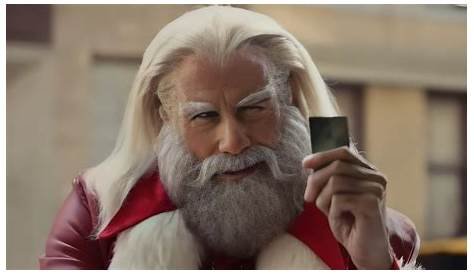
In 2020, Travolta starred in Capital One’s “Holiday Night Fever” campaign. Dressed as a modern-day Santa Claus, he brought disco back to life, dancing to the Bee Gees’ Stayin’ Alive. The ad cleverly blended holiday cheer with nostalgic fun — and yes, it even included Samuel L. Jackson in a quick cameo, reuniting the Pulp Fiction duo in a lighthearted way.
This wasn’t just a commercial; it was a cultural wink. Fans who grew up watching Saturday Night Fever were thrilled, while younger audiences discovered the magnetic charm of Travolta all over again. The John Travolta commercial for Capital One reminded everyone why he remains an icon — his ability to laugh at himself, entertain, and make people smile.
Dancing Through Generations: The Scotts Miracle-Gro Ad
In 2021, Travolta and his daughter Ella Bleu Travolta teamed up for a heartwarming Scotts Miracle-Gro Super Bowl commercial. It was a perfect mix of family warmth and nostalgia, featuring celebrities like Martha Stewart, Carl Weathers, and Leslie David Baker.
But the moment that stole the show was the Travoltas’ TikTok dance. Their playful moves went viral, showing how effortlessly John could bridge the generational gap. The ad celebrated more than just gardening — it was about connection, joy, and the simple pleasures of life.
Audiences praised how genuine Travolta seemed alongside his daughter. It wasn’t forced or overly polished; it felt real. This human touch is what separates John Travolta commercials from typical celebrity endorsements. They carry authenticity — the kind that can’t be scripted.
The Grease Connection: T-Mobile’s Super Bowl Triumph
Perhaps the most talked-about recent John Travolta commercial came in 2023, when he appeared in a T-Mobile Super Bowl ad alongside Scrubs stars Zach Braff and Donald Faison. Together, they performed a parody of “Summer Nights” from Grease, with lyrics celebrating T-Mobile’s home internet.
For fans, it was an instant nostalgia hit. Travolta, now older but still full of charm, slipped back into his Danny Zuko persona with ease. His voice, smile, and effortless rhythm captured the spirit of Grease without feeling outdated.
What made this ad special was its emotional resonance. It wasn’t just about selling a product; it was about revisiting a timeless moment in pop culture. The combination of humor, music, and nostalgia turned the T-Mobile spot into one of the most memorable commercials of the year.
When it aired, social media lit up. Tweets, memes, and TikToks flooded the internet, proving that John Travolta commercials don’t just promote brands — they dominate conversations.
Why John Travolta Still Works in Advertising
There’s a reason why brands keep turning to Travolta: he embodies charisma, familiarity, and trust. Few celebrities manage to be both legendary and relatable, but Travolta has mastered that balance.
Here’s why his commercials resonate so deeply:
-
Nostalgia Appeal – Travolta’s legacy from Grease and Saturday Night Fever carries powerful emotional weight. Audiences love reliving those moments, and brands leverage that nostalgia masterfully.
-
Authenticity – Unlike many polished celebrity ads, Travolta’s spots feel natural. He doesn’t act “above” the commercial world — he embraces the fun.
-
Generational Connection – Whether dancing with his daughter or parodying a classic song, he connects with both older fans and younger viewers.
-
Humor and Self-Awareness – Travolta doesn’t take himself too seriously, which makes his performances endearing. He’s in on the joke — and that humility makes him more likable.
-
Cinematic Flair – Every John Travolta commercial feels like a mini-movie. There’s direction, storytelling, and personality — not just product placement.
In an age when audiences skip ads or scroll past sponsored posts, Travolta’s presence actually stops people from doing that. That’s a rare kind of influence.
The Cultural Impact of John Travolta Commercials
Beyond the numbers and brand awareness, John Travolta commercials have achieved something that’s harder to quantify: they’ve become part of pop culture themselves.
From YouTube replays to social media memes, every ad he stars in finds a second life online. The Capital One Santa dances, the Scotts TikTok moves, and the T-Mobile Grease parody — all these moments have gone viral in their own right.
In essence, Travolta has turned commercials into entertainment. Viewers no longer see him as just an endorser but as a performer who brings joy and creativity to even the briefest screen time.
This is particularly impressive in an era when audiences crave authenticity and storytelling. Travolta doesn’t sell — he connects. His charm feels timeless, and that’s why every John Travolta commercial feels like an event.
The Enduring Magic of a Timeless Star
John Travolta’s commercials prove that fame isn’t just about blockbuster roles or awards. It’s about the ability to evolve, to connect, and to stay relevant across decades. Whether it’s through disco moves, dad humor, or heartfelt family moments, Travolta shows that true charisma never fades.
Brands may come and go, but his image remains constant — that familiar face that instantly makes you smile. In a fast-changing world of advertising, he’s become a rare bridge between nostalgia and now.
As audiences continue to celebrate his work, it’s clear that John Travolta commercials have achieved something special: they’ve turned advertising into art, humor into connection, and memory into magic.
And that’s why they’ll keep getting talked about for years to come — both on screen and on blogs like Cnn10, where pop culture meets storytelling.